
We believe real trust comes from transparency.
That’s why we work only with suppliers and manufacturing partners who meet recognised international textile safety standards.
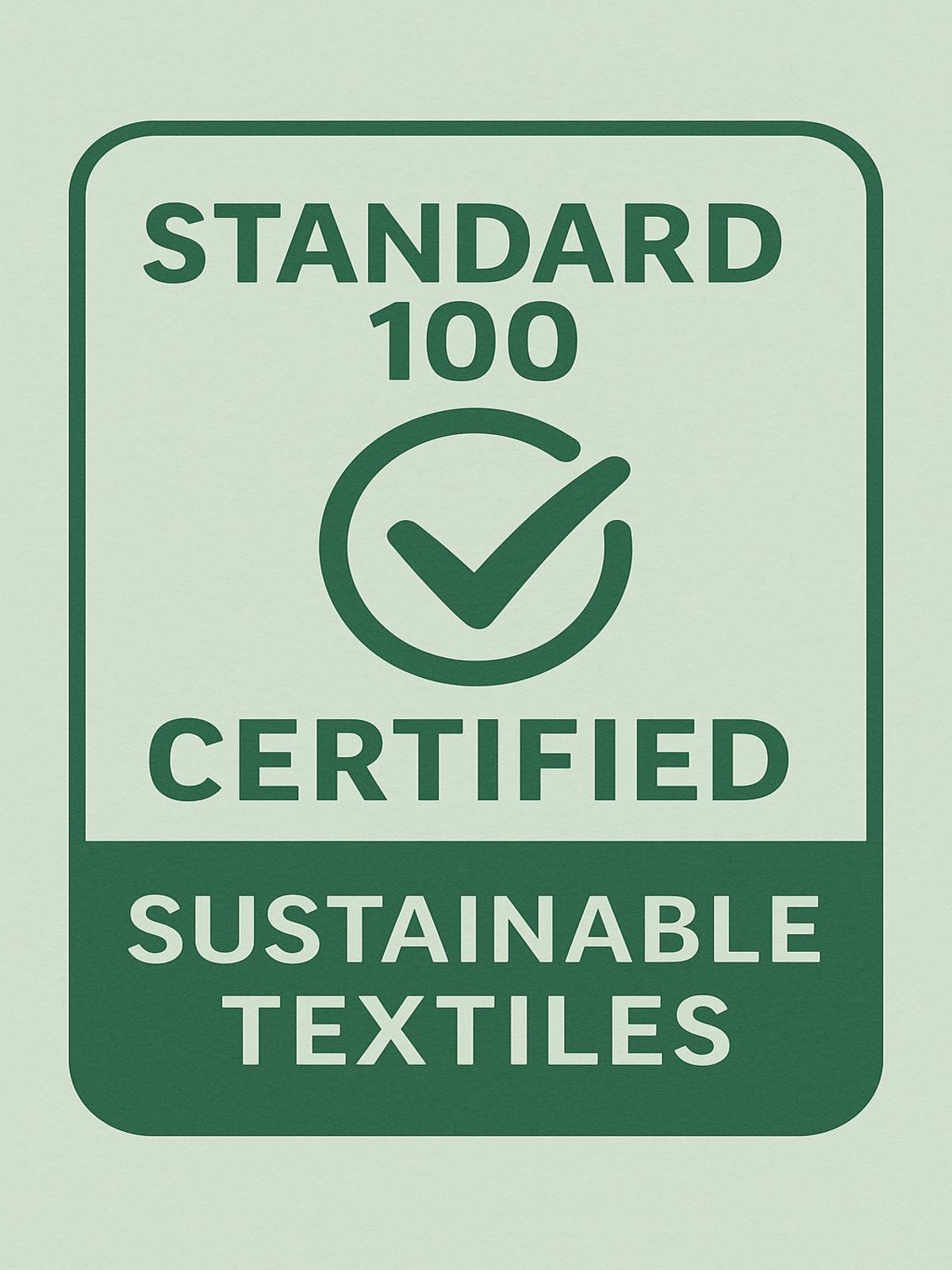
OEKO-TEX® & Our Manufacturing Partners
We work with carefully selected manufacturing partners who operate within OEKO-TEX® Standard 100 certified environments.
This means the facilities responsible for producing our bamboo fabrics and products follow internationally recognised textile safety standards and undergo regular independent testing for harmful substances.
- Our partners operate in OEKO-TEX® certified production facilities
- Their fabrics and processes meet strict safety requirements
- Materials are regularly tested against harmful substances
- Compliance is monitored through ongoing certification processes
This allows us to maintain high safety and quality standards while being transparent about how our products are produced.
What This Means for You

✅ Safer Fabrics
Our partner facilities test materials for harmful substances to protect your skin and health.
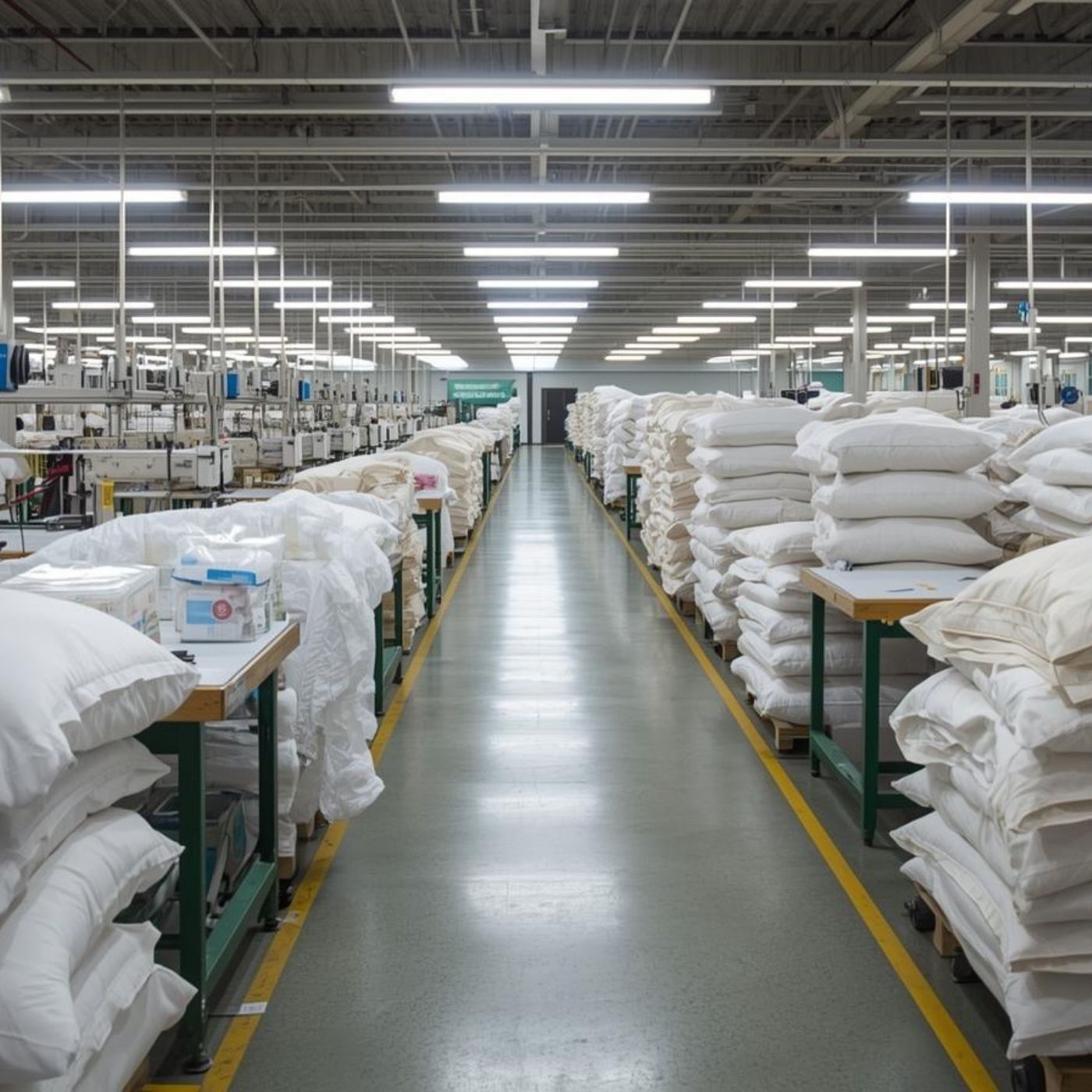
✅ Industry-Recognised Standards
We work only with manufacturers that operate within international compliance frameworks.
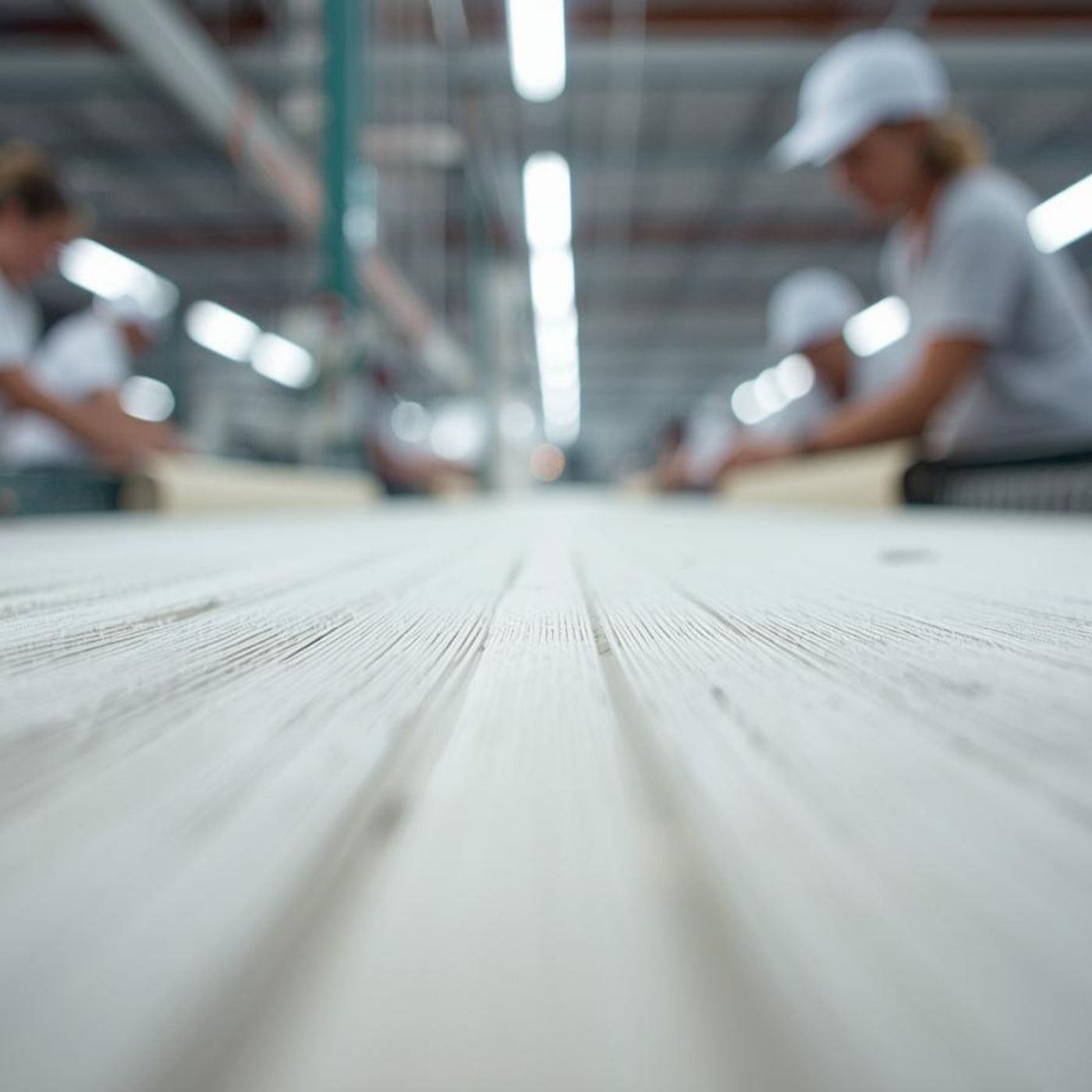
✅ Responsible Production
Production environments follow structured and monitored safety standards.

✅ Greater Transparency
We clearly communicate what our certifications cover — without greenwashing.
Transparency: What This Does & Doesn’t Mean
To avoid misleading claims, we believe in being fully upfront.
Our suppliers meeting OEKO-TEX® standards does not automatically mean:
Not necessarily. Our manufacturing partners operate within OEKO-TEX® certified production environments and use materials that meet recognised safety standards.
While some product ranges may carry individual certification, others are produced within certified facilities but do not carry separate product-level certification.
We believe it’s important to communicate this clearly and transparently.
OEKO-TEX® Standard 100 is a globally recognised testing and certification system for textiles.
It focuses on ensuring that materials are free from harmful levels of substances such as heavy metals, pesticides, formaldehyde and other potentially irritating chemicals.
This helps protect both skin health and overall product safety.
OEKO-TEX® Standard 100 focuses on material safety — not overall environmental impact.
While it supports safer production and reduced chemical exposure, it doesn’t measure the full environmental footprint like water use, energy use or carbon emissions.
This is why we communicate our sustainability commitments separately, with honesty and clarity.
Product-level certification requires ongoing testing and re-certification, which isn’t always practical across large or varied collections.
Instead, we focus on partnering exclusively with manufacturers that maintain OEKO-TEX® certified facilities and safety standards, and combine this with our own internal quality control checks to ensure consistent safety and performance.
Additional Standards & Quality Controls
Alongside our supplier certifications, we implement strict internal quality measures:
- Ongoing supplier vetting and selection
- Regular performance and fabric quality checks
- Durability and wash testing
- Packaging safety compliance
- Product consistency checks across batches
Our aim is long-term quality, not short-term marketing labels.
Our Ongoing Commitment to Improvement
As Paragon Bamboo grows, we continue exploring additional standards and improvements across our supply chain.
We prioritise genuine progress over empty certifications and will update this page as we evolve our practices.
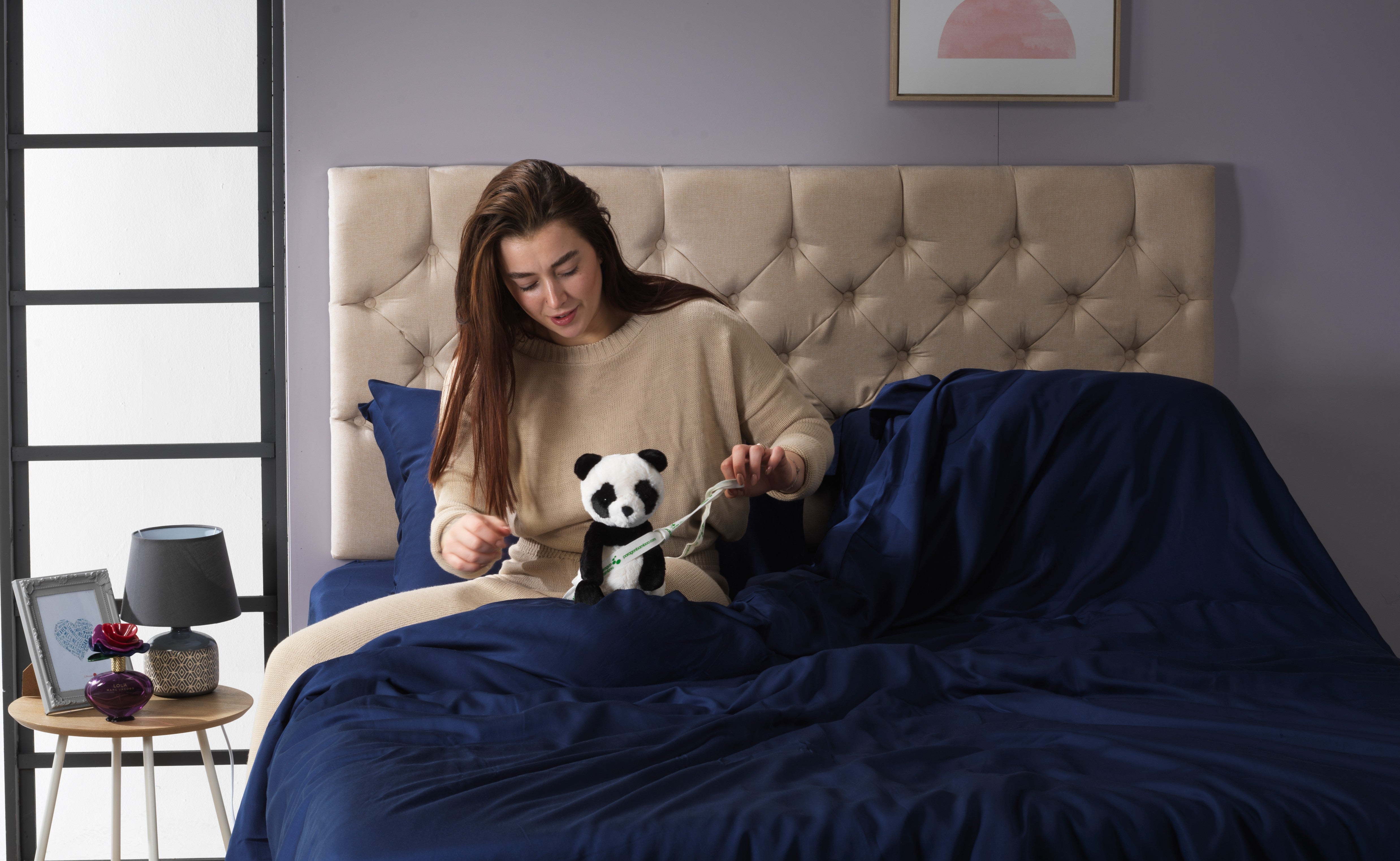
Discover our bamboo bedding and home products, made with care and responsibility.